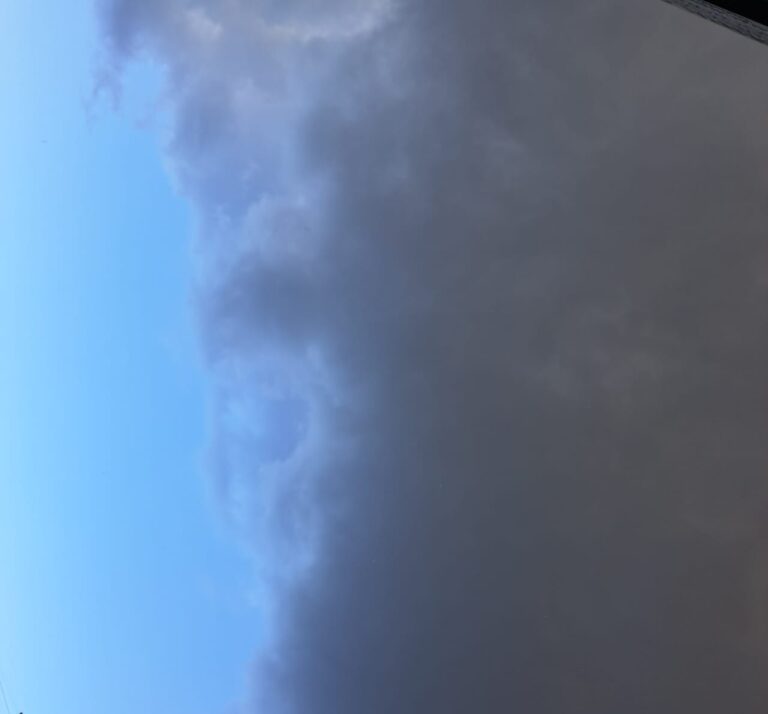
Da paz ao caos: Como viver (bem) em um terreno movediço?
🌍 English • From Peace to Chaos: How to Live (Well) on Shifting Ground?
By Jeane Satie | November 24, 2025
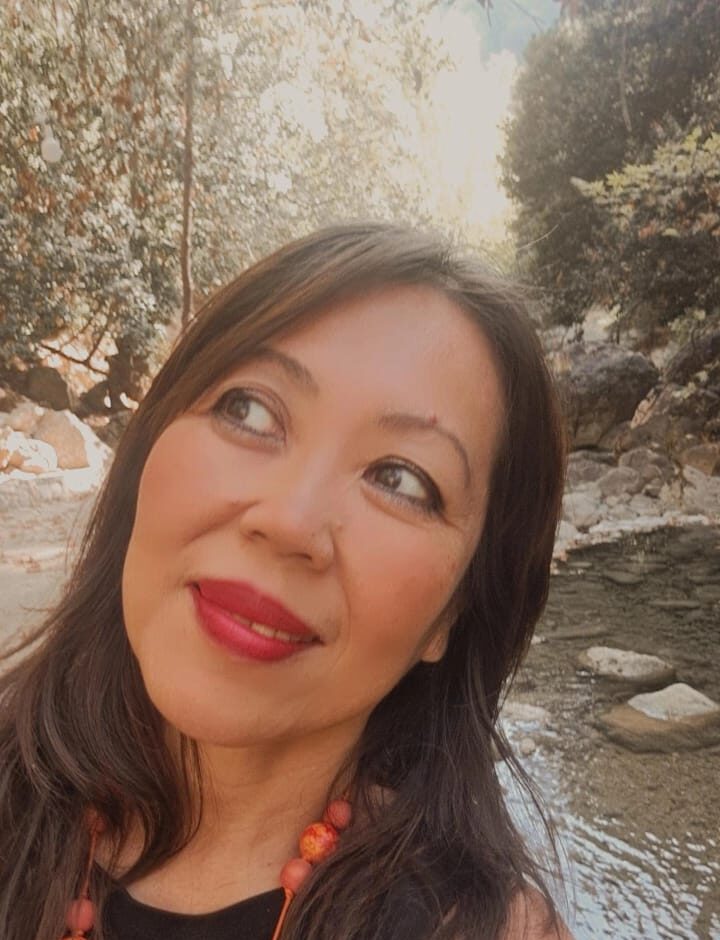
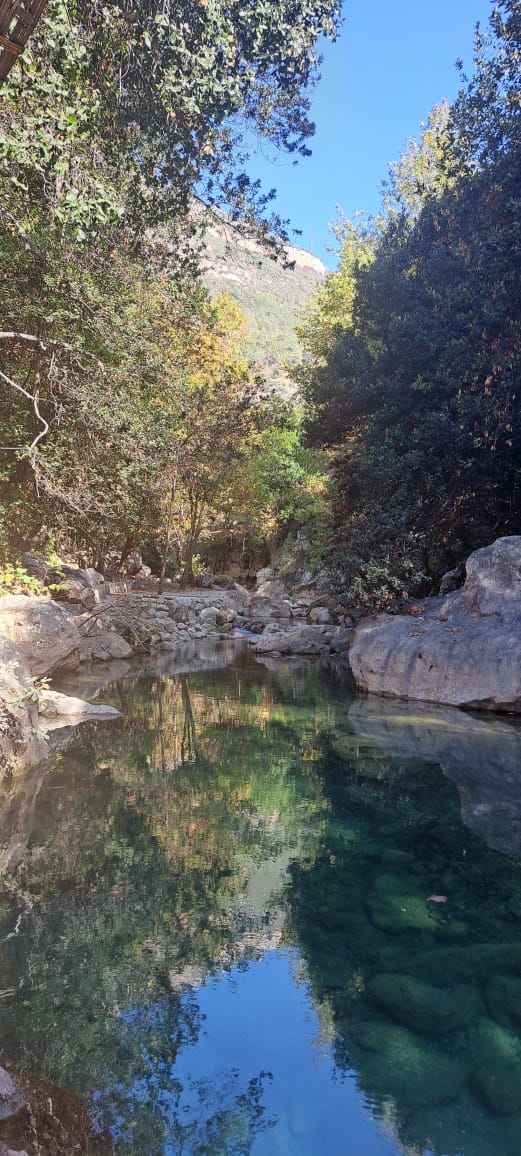
Yesterday, we went to the river.
Not as tourists. Out of necessity.
We needed to breathe.
To take friends — a German couple living in a motorhome, dreaming of road freedom — to a place where water still flows, trees still stand, and memories haven’t been erased by war.
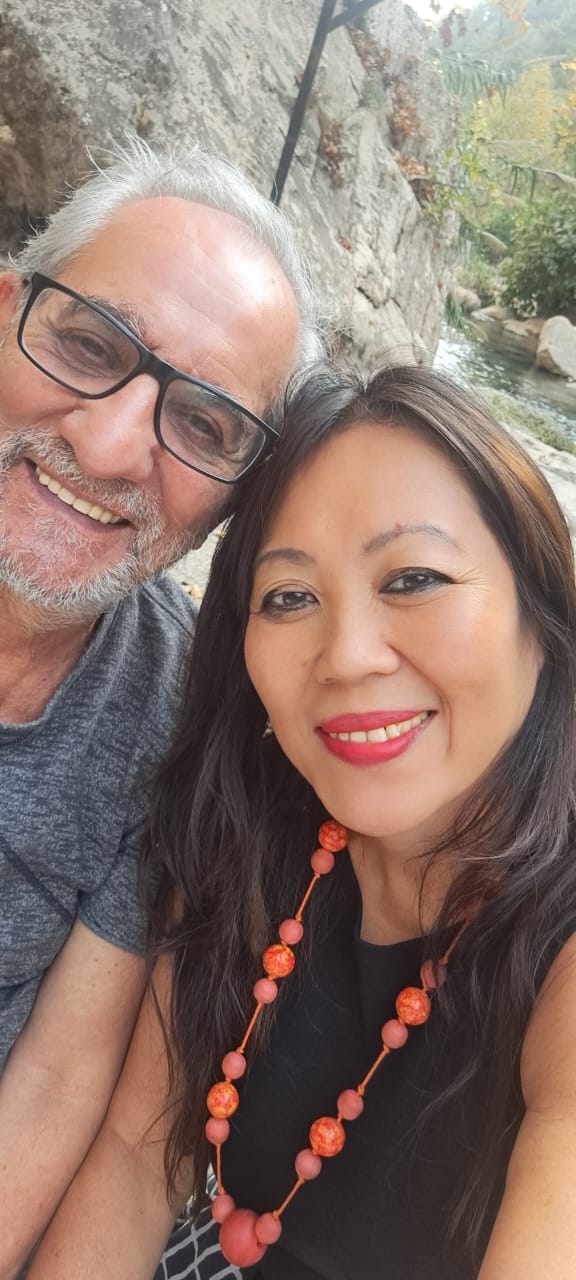
We went with Azmi, my husband, and Muehedine, his cousin — two men who grew up in Beirut, before it became a city that has to explain its own existence.
Rivers are rare here. Almost sacred.
We brought salad, drinks, charcoal.
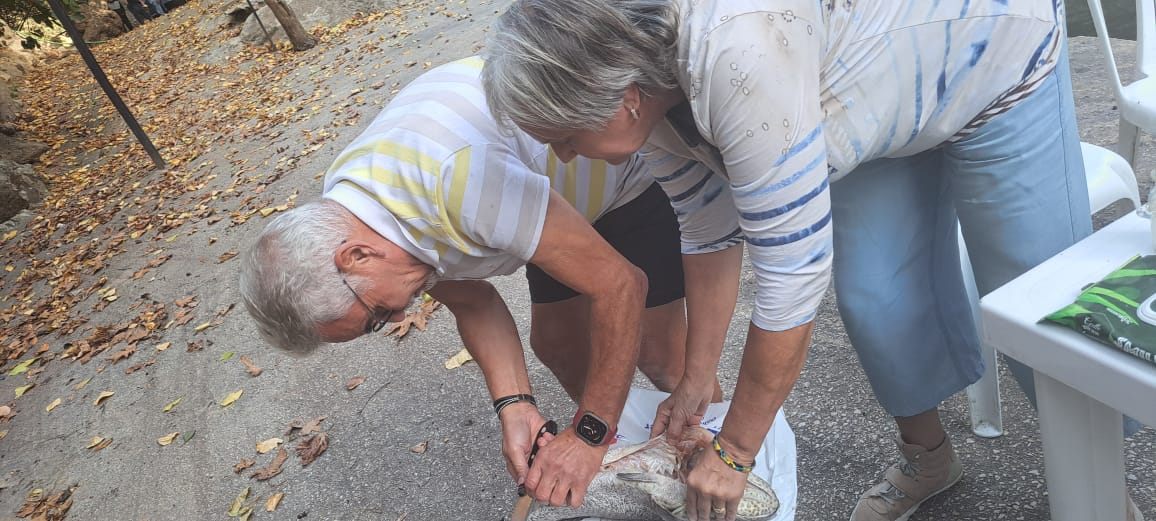
They brought a huge fish — “worthy of a fisherman’s tale,” said Romi, the German woman who now understands: in Lebanon, even the fish have history.
The fire warmed more than our legs.
It warmed our memories.
Muehedine spoke of Imad — Azmi’s older brother, a pilot, killed in a plane crash.
“He flew as if the sky were his home,” Azmi said.
Then Muehedine pulled a book from his bag: Animal Farm, signed by the Kawas brothers.
“Look — this is my signature here!” Azmi, my “Habibão”, exclaimed, eyes shining.
A living object. Proof that, even here, someone read. Thought. Dreamed.
That their father — also a pilot — encouraged his sons to read.
That culture doesn’t die just because the bomb falls.
The Phone Rings on the Way Back
On the drive home, Muehedine was “killing” nostalgia —
passing streets from his youth, telling stories of cafés, loves, flights.
Then the phone rang.
It was the neighbor from the shop:
“There was a bombing. Five dead. Several injured.”
The silence in the car was so thick it felt physical.
Romi, the German, asked with her eyes — could they leave early?
Fear entered without knocking.
It’s not new.
But it always surprises —
because it comes after peace.
After laughter.
After the fish, the wine, the book, the fire.
It comes to remind us:
Beirut is not a weekend destination.
It’s a place of daily resistance.
Living Anyway: The Only Possible Revolution
What is the opposite of hate?
Peace?
Maybe.
But today, I’d say:
The opposite of hate is the capacity to keep living —
even when you know the next step may be on shifting ground.
We paint birds flying over rubble.
We read books amid war.
We grill fish when the sky is clear.
Because living well here isn’t about living without fear.
It’s about living despite it.
And perhaps — in that simple act of taking friends to a river, sharing a fish, turning the pages of an old book — lies the true revolution:
Not waiting for the world to change.
Changing the world within yourself, while it crumbles around you.
This text was a breath — a record of a day that needed to be told.
If it spoke to you, share it. Or leave a comment telling me: what does “living well on your shifting ground” mean to you?
Your story matters to me.
— Jeane Satie
Japanese-Brazilian visual artist in Beirut
Creator of the Embassy of Bridges and the Beirut Birds series
O Santuário à Beira do Rio
Um domingo no Meinho do Mundo ( Líbano) : entre fogueiras, livros antigos e o silêncio dos bombardeios.
Ontem, fomos ao rio.
Não por turismo. Por necessidade.
Precisávamos respirar.
Levar amigos — um casal alemão que vive em um motor home , sonhando com liberdade rodoviária — para um lugar onde ainda há água, árvores, e memórias que não foram apagadas pela guerra.
Fomos com Azmi, meu marido, e Muehedine, seu primo — dois homens que cresceram em Beirute, antes de ela se tornar uma cidade que precisa explicar sua própria existência.
O rio é raro aqui. Quase sagrado.
Levamos salada, bebida, carvão. Eles trouxeram um peixe enorme — “digno de conversa de pescador”, disse Romi, a alemã que agora entende que, no Líbano, até os peixes têm história.
A fogueira esquentou mais que as pernas. Esquentou as memórias.
Muehedine falou de Imad — irmão mais velho de Azmi, piloto, morto em um acidente aéreo.
“Ele voava como se o céu fosse sua casa”, disse Azmi.
E então, Muehedine tirou da mochila um livro: Animal Farm, assinado pelos irmãos Kawas — – Olha, essa é a minha assinatura aqui! Exclamou Azmi, meu “Habibão” , todo emocionado.
Um objeto vivo. Uma prova de que, mesmo aqui, alguém leu, pensou, sonhou.
Que o pai deles — também piloto — incentivava os filhos a ler.
Que a cultura não morre só porque a bomba cai.
O Telefone Toca na Estrada de Volta
Na estrada de volta, Muehedine “matava” saudades.
Passava por ruas que frequentava na juventude. Contava histórias de cafés, de amores, de voos.
Até que o celular tocou.
Era o vizinho da loja:
“Houve um bombardeio. Cinco mortos. Vários feridos.”
O silêncio no carro foi tão denso que parecia material.
Romi, a alemã, perguntou em seus olhos, se poderiam antecipar o retorno.
O medo entrou sem pedir licença.
Ele não é novo. Mas sempre surpreende.
Porque ele vem depois da paz.
Depois das risadas.
Depois do peixe, do vinho, do livro, da fogueira.
Ele vem para lembrar: Beirute não é um lugar de fim de semana. É um lugar de resistência cotidiana.
Viver Apesar: A Única Revolução Possível
O que seria o oposto do ódio?
Paz?
Talvez.
Mas hoje, eu diria: o oposto do ódio é a capacidade de continuar vivendo, mesmo sabendo que o próximo passo pode ser sobre terra movediça.
Nós pintamos pássaros que voam sobre escombros.
Nós lemos livros em meio à guerra.
Nós fazemos churrasco quando o céu está limpo.
Porque viver bem, aqui, não é viver sem medo.
É viver apesar dele.
E talvez, nesse gesto simples — de levar amigos a um rio, de compartilhar um peixe, de folhear um livro antigo — esteja a verdadeira revolução:
Não esperar que o mundo mude. Mudar o mundo dentro de si, enquanto ele se desfaz ao redor.

Este texto foi um respiro, um registro de um dia que precisava ser contado. Se ele falou com você, compartilhe ou deixe um comentário contando o que é ‘viver bem no seu terreno movediço’. Sua história me interessa.
(Jeane Satie – Artista visual nipo-brasileira em Beirute, criadora da Embaixada das Pontes e da série Pássaros de Beirute)