Two Medicines, One Heart: A Letter from an Artist to Her Daughter, Who Is Pure Art
Two Medicines, One Heart: A Letter from an Artist to Her Daughter, Who Is Pure Art
Aisha, your name doesn’t mean “Alive” by accident.
And you didn’t wrench the scissors from Dr. João’s hand by chance.
I write this letter from Beirut, while you walk your path in medicine, far away. And I realize: each in our own way, we are learning to practice the same art of healing — the art of healing that transcends borders, languages, and generations.
Parallel Medicines: The Art of Healing
My clinic is the studio.
My patients are memories, absences, longings that need shape and color so they don’t vanish.
My prescription?
Brushes that translate love into images. Paints that turn loneliness into bridges between us.
You study to learn how to fight for life — pulling people from death’s grip. I learn, stroke by stroke, to fight for life with brushes — pulling beauty from chaos, hope from destruction.
Your medicine heals bodies. Mine heals souls.
And deep down, we’re both part of the same struggle: against death, against forgetting, against the dimming of lights.
To understand more about how art therapy complements traditional medicine, explore this research on creative healing.
Learning to Fly When the Ground Gives Way
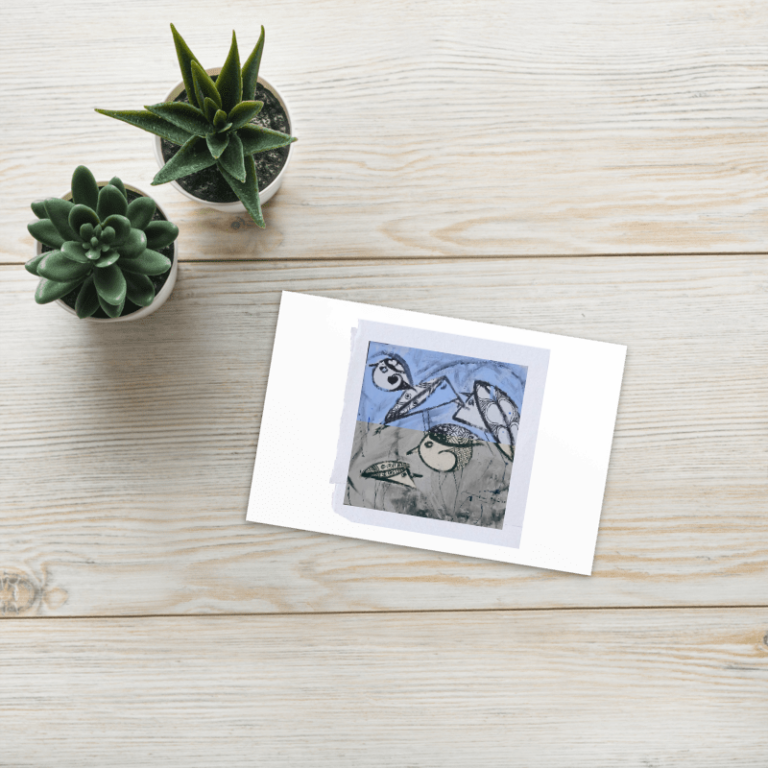
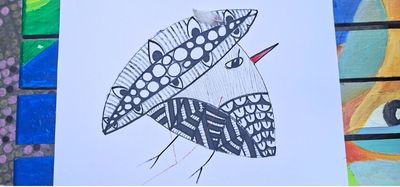
Each Bird of Beirut I paint is a piece of me learning to fly — just as you flew to follow your dream.
This series was born after the 2020 explosion, when I realized: we Lebanese (and I, a Brazilian who chose this ground) must learn to fly — even when there’s no solid earth beneath our feet.
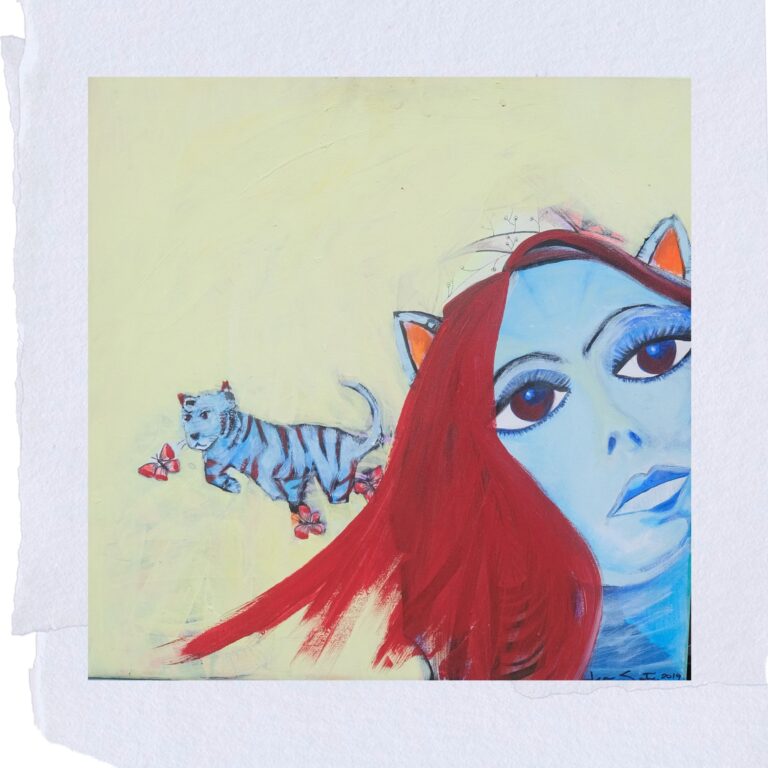
Each Godiva I create carries another medicine: the reminder that our strength has always lived above the shoulders — in the lifted head, in the gaze that confronts.
Women who show their face — not just their body. Women in vibrant colors who refuse to be objects. Women who exist beyond what the world expects of them.
Like you, Aisha.
The Beauty in Imperfection: Wabi-Sabi as Medicine
From my Japanese grandparents, I inherited wabi-sabi: beauty lives in imperfection, in transience, in incompleteness.
My works carry this. They are not perfect. They are alive. They breathe. They bleed. They fly.
Just like us.
To learn more about the wabi-sabi philosophy that influences my work, explore this guide on Japanese aesthetics.
A Final Note: The Art of Healing Continues
Keep wrenching scissors from the hands of fate, my Life.
Meanwhile, I paint our empty nests with the colors of hope — and of the pride I feel, watching you soar.
With love and fresh paint,
Mama
About the Author:
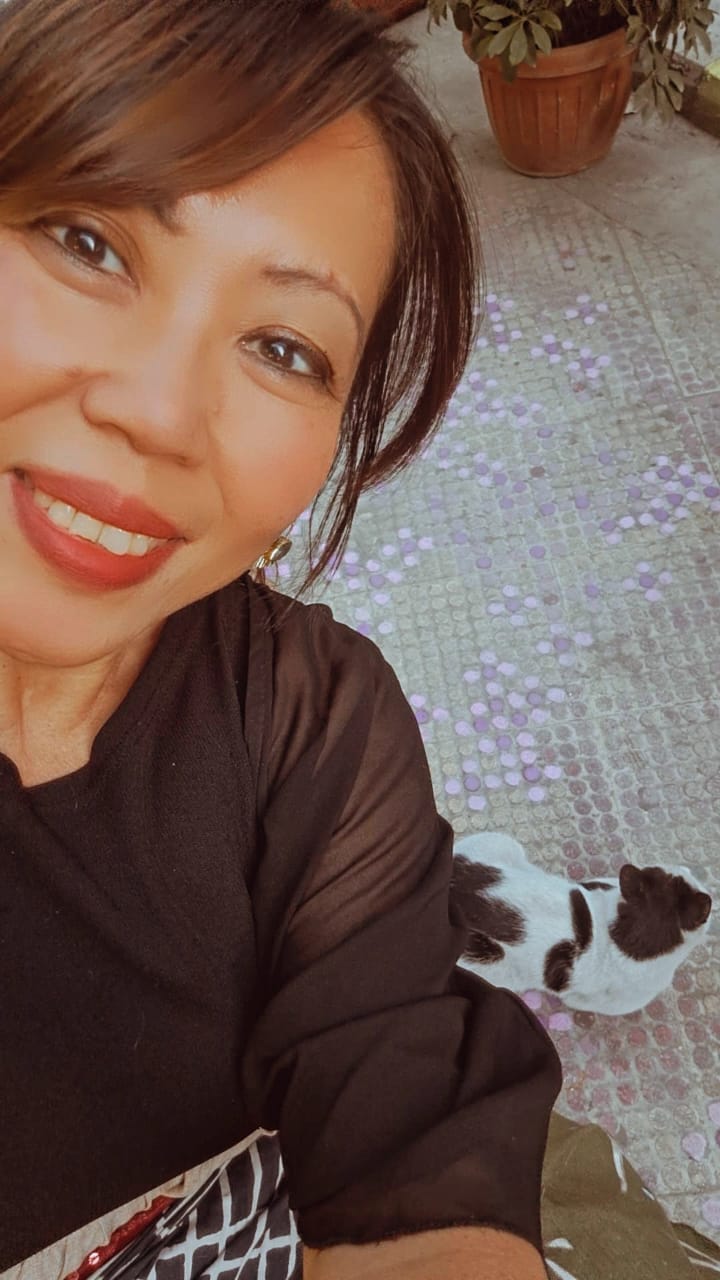
Jeane Satie — Japanese-Brazilian visual artist in Beirut. Creator of the Embassy of Bridges and the Birds of Beirut series.
Read more about my journey from São Paulo to Beirut here.
Explore more:
→ Birds of Beirut: the art of flying without ground | Shop