Identity in Motion: The Bering Strait Was Not a Bridge
What is identity in motion? The Bering Strait was not a bridge — it was a corridor of wind. And when they crossed, they no longer knew if they were fleeing or seeking.
In fact, this is the essence of identity in motion — that space where we are always crossing, never fully arriving, always becoming.
Growing up, I was called japinha, “oriental flower”, “japa girl” — always with affection, mostly. There’s only one time I remember someone using a slur — but by then, I was already sharp enough to reply, and I did, with full force.
São Paulo: Where Identity in Motion Begins
In São Paulo — where I was born, where the Paulistano accent clung to my tongue before I even knew where Japan was — my face was always read before my voice. “Hi, little Japanese girl!” That’s how it was in the Corinthians zone, in the Sesc line, at the school gate. It didn’t matter that my body was pure Sampa: the arroz-doce I ate at June festivals, the smell of rain on hot asphalt, the Portuguese that rolled off my tongue with that pulled “r”. To Brazil, I was from elsewhere.
To Japan — the country I’ve never seen, yet pulses in me like a second skin — I would be gaijin: foreigner, descendant. Never the real thing.
Yet the Japan I carry goes beyond DNA. You can feel it in my hands when I fold a napkin. It breathes in the quiet pauses I learned to honor. And it blooms in my grandmother’s garden — that secret kingdom where I discovered that beauty doesn’t shout, but breathes.
To understand more about the wabi-sabi philosophy that influences my work, visit this guide on Japanese aesthetics.
The Grandmothers Who Built Portable Empires
Consider this: both my grandmothers had eleven children each.
Let that sink in: twenty-two children, born in different towns as they followed my grandfathers — men who carried dreams too vast for a single place. They were nomads by necessity, builders of homes that fit in suitcases and rice pots. Each move, a restart. Each child, a new accent.
When they finally settled in São Paulo, they had already become something else: fortress-women — delicate and relentless at once.
My Maternal Grandmother: The Seamstress of Silence
My maternal grandmother made zabutons and futons with a precision bordering on ceremony. Her hands were gentle, yet firm — the kind that knows simplicity is the hardest luxury to achieve. This woman didn’t speak much. But when she did, it was in a Portuguese heavy with accent, full of strange pauses, as if each sentence needed two translations before leaving her mouth.
At her butsudan, incense burned daily. Fresh flowers. Gohan offered to ancestors. I found it mysterious, almost frightening — those golden bowls, those names I couldn’t pronounce. But now I understand: it was a conversation she was keeping alive. With those who had already crossed, yet remained, in memory.
And how I loved visiting her… She always served the finest tea, with sesame sam-bei or okaki… Warmth, in biscuit form. Like the scent of her simple cotton futon — unforgettable in its comfort. I always napped on her bed… An endless nest, in my most tender memory.
My Paternal Grandmother: The High-Heeled Warrior
My paternal grandmother was a different story.
Not less love — just love in another key. Under 1.5m tall, yet always in high heels, with hair extensions and flawless makeup. Witty, grumpy, fiercely lovable in her scolding. Wise — she wrote haikus for a Japanese newspaper, drew kanji, filled her house with porcelain dolls in traditional dress… She founded a Japanese cultural association, organizing the first Community Charity Bazaar — still held today — led tea ceremonies, danced odori with an elegance that made everyone stop and watch.
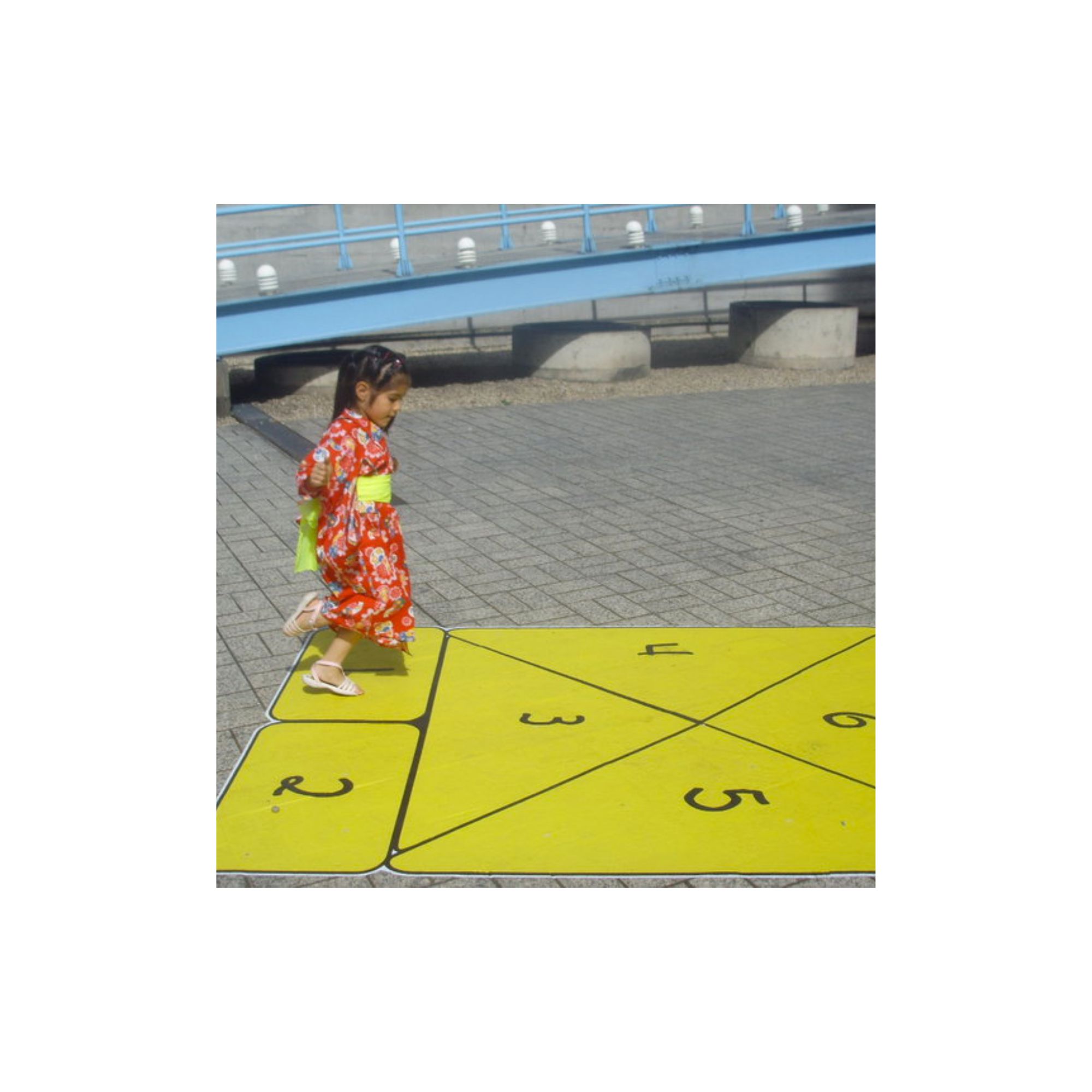
My grandmother dressed us in kimono for photos and events — I hated it then (the obi was too tight, the fabric too hot), and the prep always took longer than the photo session, which back then often came out blurry, dark, or shaky… But today I know: she was telling us, “You don’t have to choose. You are both.”
This fierce woman made us massage her back. “Harder, harder!” — always complaining, always laughing. She also dragged us to the garden, that parallel universe where every stone had its place, where moss grew slowly, like a promise. I didn’t know it then, but I was learning wabi-sabi without a name: that beauty lives in the imperfect, the incomplete, the fleeting.
That woman was my muse. To this day, when I choose a kimono, when I leave a thread loose on purpose, I am speaking with her. Especially her — who tied perfect knots like no one else.
The Name That Crossed the Sea
My paternal grandfather was a merchant. Prominent, as they used to say. He hosted grantees from the Oita-ken Cultural Center, his hometown in Japan. His house was a meeting point, a hub for news, for people with one foot still there and one foot here.
However, there’s something my father told me — always a taboo in our family:
My grandfather came to Brazil to continue a name. The name I carry. I don’t know if he was adopted or “entrusted” with this mission. No one speaks of it clearly. It’s as if the name were a territory that cannot be invaded — a truth that exists, but must not be voiced aloud.
What I do know is that carrying such a name — one that crossed the Pacific, chosen (or imposed?) so it would not die — is to carry a ghostly obligation. Not to Japan. But to the dead. To those who could not return. To those who arrived here and were never again called compatriots.
The Symbol That Wasn’t Wheat: Identity in Motion Through Generations
On my mother’s side, there’s another layer.
When I was small, I saw a symbol — I think the only painting in my batchan’s house. Two branches that looked like wheat. I thought it beautiful. Delicate.
I would have died believing it was wheat, until one of my dear uncles corrected me: “It’s not wheat. They’re arrows.”
Arrows.
Because we descend from samurai monks — warriors who laid down the sword but not the code. People who learned that strength isn’t noise — it’s root, posture, knowing when not to bend.
When I remember that symbol today, my seamstress grandmother appears, hands calloused. Then comes my high-heel-wearing grandmother dancing odori at 70. And finally, my daughter Aisha emerges — alone in Moscow, choosing to cross the world — because she can, because she must, because she inherited this ancient stubbornness of those who know stillness is not an option.
Arrows. Not wheat.
These arrows fly — and never forget where they were loosed from. They are not meant to miss their mark.
São Sampa, My Uneven Ground
Consequently, yes: I am from São Paulo.
From chaos, from “hurry up”, from “let’s go”. From the place where everyone is from somewhere else — where Japanese sell pastel and Arabs make pizza. I grew up hearing Portuguese mixed with words that had no translation: ganbatte, shoganai, ittekimasu. I learned to walk fast, to avoid prolonged eye contact, to know that kindness in Sampa means giving space.
But within me lies my grandmother’s garden, alive with the scent of incense. I still hear rice bubbling in the kama, and remember the slow ceremony of folding the kimono — that precise ritual that cannot be rushed.
Sampa gave me speed. The Japan I inherited gave me pause.
And when I merged the two — when I realized I could be fast and careful, chaotic and precise — something clicked. It wasn’t contradiction. It was synthesis.
The Japan That Pulses (Even Without Permission)
The Japan I carry asks no permission. Needs no visa. Doesn’t depend on validation from those born in Tokyo or Osaka.
This heritage shows in my obsession with asymmetry, and in how I arrange flowers (always a crooked branch, always empty space). It guides my patience for slow processes, fuels my shame at causing inconvenience, and shapes the way I apologize — even when I shouldn’t.
The Japanese in Japan might not like it, perhaps claiming I’m not “real” or calling me a reverse dekassegui, a conflicted gaijin.
But I didn’t inherit their Japan. I inherited the Japan of my grandmothers — the one that survived inside suitcases, rebuilt in São Paulo with whatever was at hand, that danced odori in rented halls, that burned incense for ancestors no one else remembered.
That Japan? No one can take it from me. Not DNA. Not passport. Not doubt.
And Then Came Lebanon: Identity in Motion Continues
Yet this is not where the journey ends. This is another crossing. Another layer. Another wind in the corridor.
Because after all these inheritances — after the garden, the incense, the arrows disguised as wheat — I fell in love. And love brought cedar, brought tabbouleh, brought the Arabic language I’ll never speak well but recognize in my body.
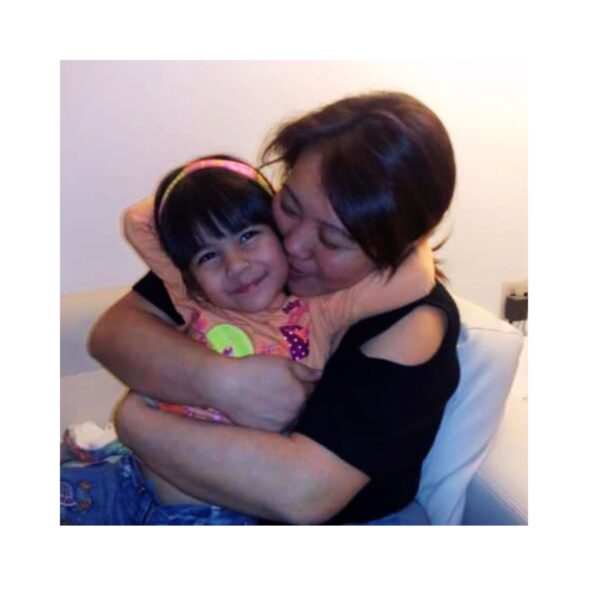
My daughter was born from this impossible sum: São Paulo + Japan + Lebanon. Quibe-stuffed pastel. Labne-filled onigiri. And today she stands alone in cold Moscow — warrior, distant — yet carrying all of this in her chest.
She is the Bering Strait once more. The crossing that doesn’t end.
And I, here, in the Middle of the World — where I returned to grow roots that don’t erase my wings — I look toward the Mediterranean and wonder:
I wonder if my high-heel-wearing grandmother imagined I’d one day be here.
Or if she knew her garden would follow me this far.
I think yes. I think she always knew.
Because those who plant with care don’t control where the seed goes.
They only trust the wind.
🌱 This is the first post in the series Identity in Motion — because bodies, memories, and aesthetics travel, even when maps say they shouldn’t meet.
Explore more about my artistic journey here and discover how cultural identity shapes my work.
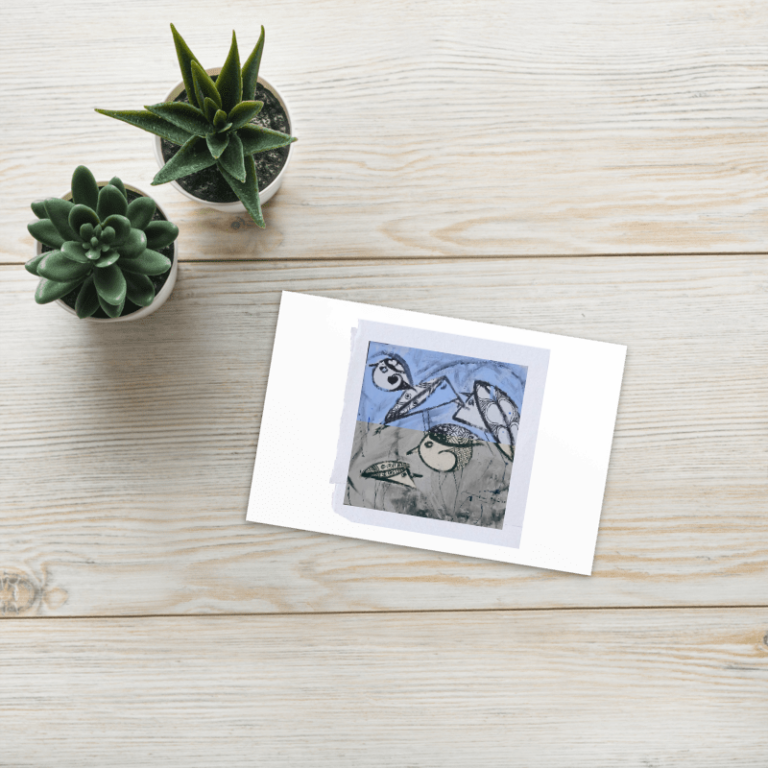
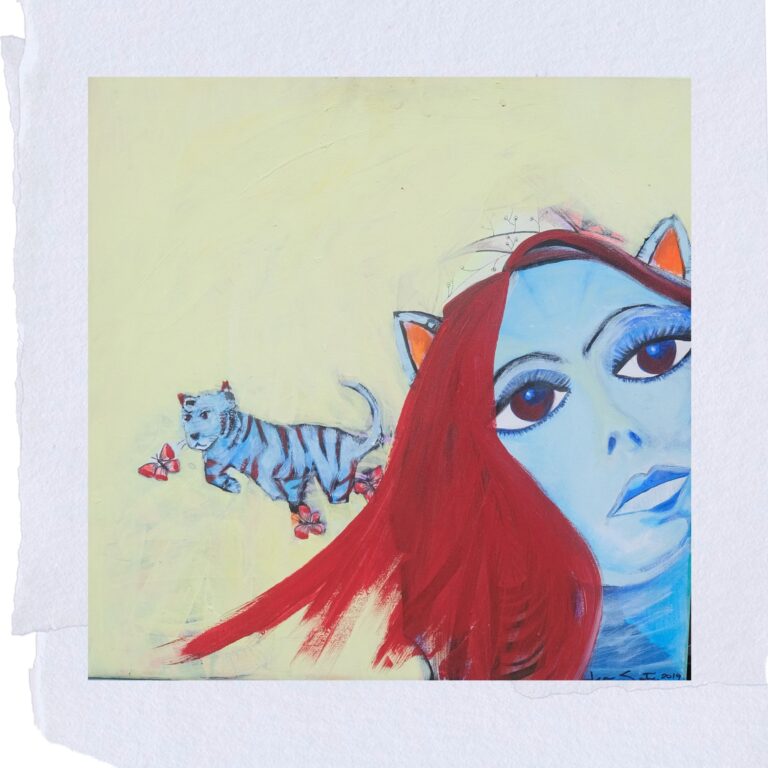
If you’re interested in how art transforms heritage into visual language, read about the Birds of Beirut series or discover the Godivas — Women Who Show Their Face.
For Aisha, my warrior daughter — who crosses worlds without losing her roots.