The Impossible Gallery: Or How to Insist on Art When the World Refuses to Cooperate
There are days when unlocking the door of my independent art gallery feels like an act of pure stubbornness.
Not the romantic stubbornness of movies. The tired, almost bureaucratic kind: turning the key, switching on the lights, straightening frames on the wall while your phone buzzes with news that whispers: “Today is not the day for this.”
Running a small gallery outside the circuit was already swimming against the current. Now, with local geopolitics taking on leaden tones, it feels almost reckless.
Almost.
The System I Refuse: Why an Independent Art Gallery Matters
Major galleries have their unwritten rules: the “who-knows-who.” A surname that weighs more than the work. An artist who sells not for what they create, but for being at the right dinner party.
I never knew how — nor wanted — to play that game.
My independent art gallery was born from defiance: believing that art is not exclusive territory. That a wall on a side street can be just as legitimate as any consecrated salon.
Here, what matters isn’t the name. It’s the tangible intention. The work that carries something urgent and true — regardless of who signs it.
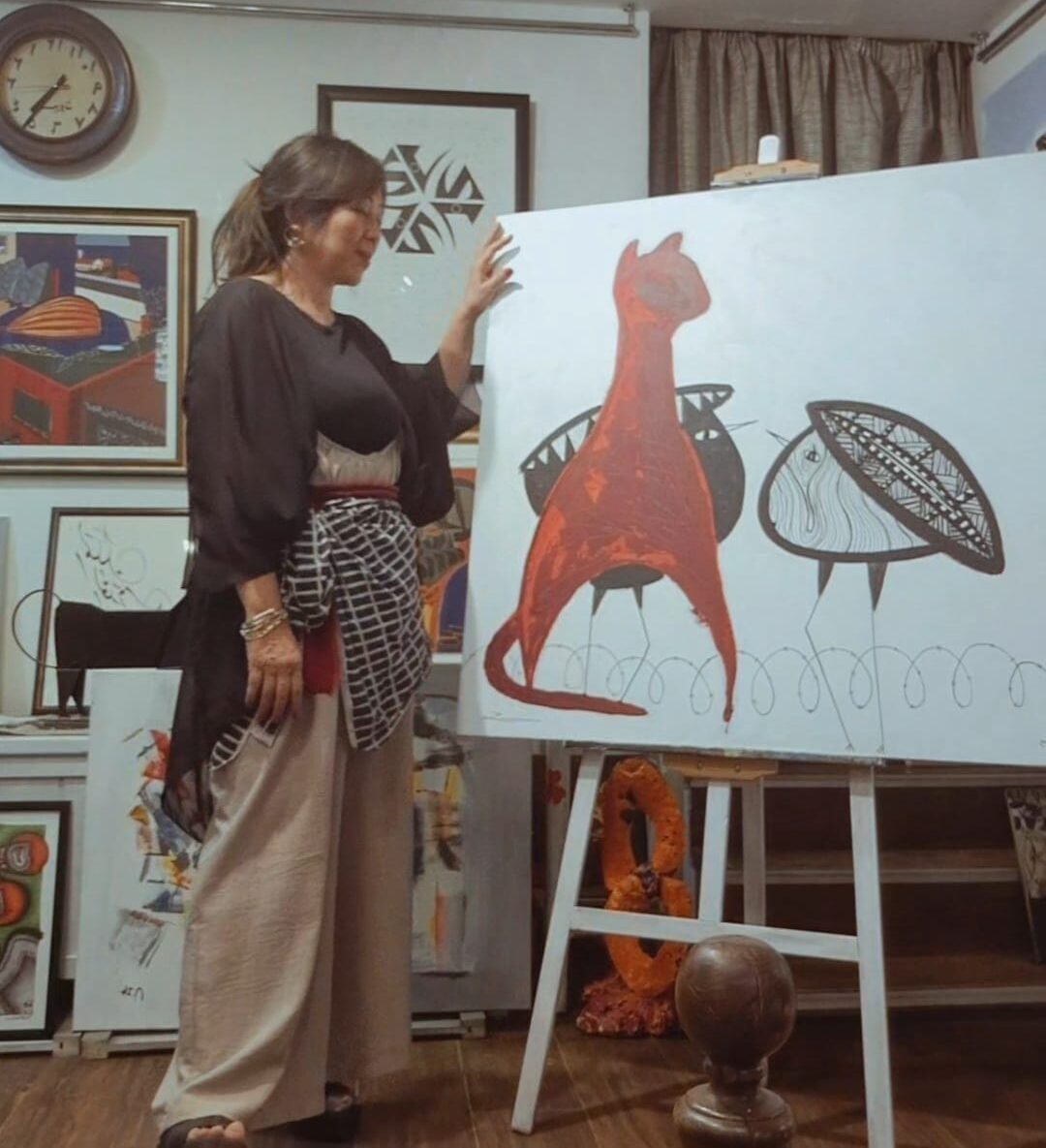
That’s why my walls mix everything: my own work, artists at the beginning of their careers, and yes, pieces by established names who generously choose to be here.
And “generously” is not rhetoric.
To understand more about how art survives in conflict zones, explore this article on creative resistance.
The Solidarity That Sustains My Independent Art Gallery
These artists don’t need my gallery. They have the major circuit, the collectors, the fairs.
But they understand what the system prefers to forget: art needs an ecosystem, not a hierarchy.
When a recognized artist exhibits here, it isn’t charity. Rather, it is practicing resistance. Their message is clear: “Art cannot survive only in fortified spaces. It needs to circulate, to touch those who don’t yet have a passport to the official world.”
In fact, these partnerships build bridges. They legitimize the space not through connections, but through shared intention: art must resist. And resisting means being present, accessible, alive.
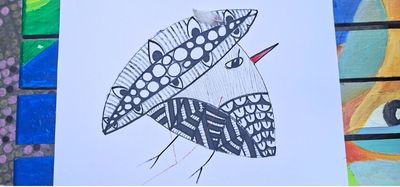
The Birds of Beirut series was born from this same impulse — creating beauty from fragments, finding flight amid the rubble.
When the Threat Is Not a Metaphor
However, refusing the system has a price. And lately, that price has grown steeper.
Fighting market indifference is one thing. Another is feeling the city hold its breath. Watching visits get cancelled. Realizing that for many, “going to see art” has become a senseless luxury when instinct demands retreat.
The tension is not background. It’s the protagonist. It slips through the door’s crack and asks: “So? Do you still think this matters?”
I could lie and offer a heroic answer. But the truth is simpler and more stubborn:
Yes. Especially now.
The Intention That Cannot Be Negotiated
I’m not defending “beauty.” Beauty is subjective, negotiable.
I’m defending tangible intention. The work born from the real need to say something, to not let silence win.
This intention doesn’t ask permission. And it’s what unites the emerging artist and the established one: both know that art, right now, is not decorative luxury.
It’s an act of presence. It’s proof that conversation is still possible beyond fear.
My journey from São Paulo to Beirut — and the cultural identity that shapes my work — is part of this same intention. Read more about it here.
Why Small Galleries Matter More Now
The major galleries, with their fortified structures, will survive.
We, the small ones, the stubborn ones in the cracks — we’re the first to fall. And when we fall, we don’t just lose a business. We lose:
- An emerging artist who would never enter the official circuit.
- The mother who brought her child to see “something different” amid the chaos.
- A quiet space where someone could still pause and remember that other conversations exist.
- The rare possibility of seeing, on the same wall, the beginning and the arrival — and understanding that both carry the same urgency.
Ultimately, closing isn’t losing a space. It’s surrendering the monopoly of art to those who already monopolize everything.
What I Do With This Stubbornness
My routine adapts. I reduce hours and create safer protocols. Meanwhile, I invest in digital, knowing screens don’t replace physical encounter.
I give thanks, every day, to the renowned artists who choose to be here. This generous gesture isn’t about them or about me — it’s about keeping alive the possibility that art can circulate outside the system.
And above all, I don’t apologize for continuing.
Yet, I don’t apologize for believing that, especially in dark times, someone needs to hold the door open for art that has intention, urgency, something real to say.
The Question That Remains
I don’t know how much longer I can hold this door open. I don’t know if stubbornness will outlast exhaustion, if the numbers will add up, if the city will calm before the last artist gives up.
But I know that as long as there’s a wall and a work with true intention to hang, I’ll insist.
Because the major gallery system — the “who-knows-who” one — wants spaces like my independent art gallery to disappear.
And the generous artists who choose to stand here, beside me, know this too.
Together, we refuse to give them that satisfaction.
So tomorrow I return. I will unlock the door and switch on the lights. After that, I arrange the paintings — from the nervous beginner to the generous master, all side by side.
Because art that resists doesn’t ask for surnames.
It asks: “What do you need to say?”
And then, it makes room.
About the Author:
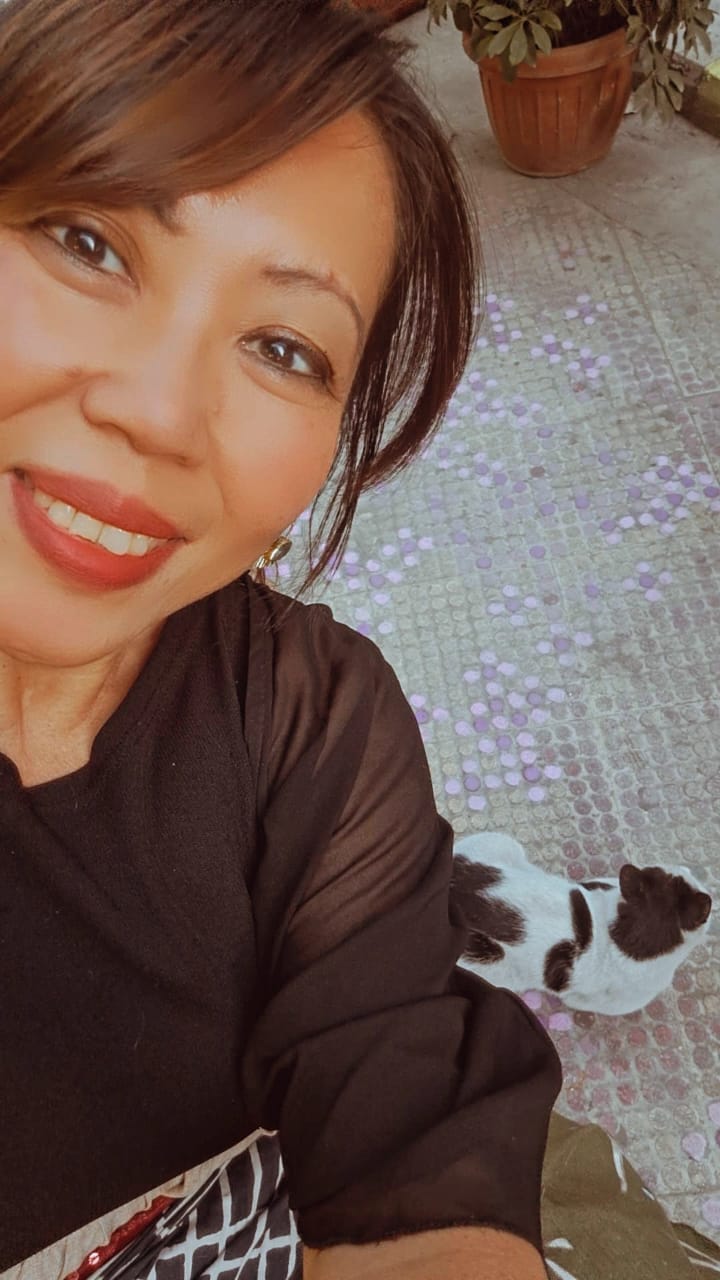
Jeane Satie — Japanese-Brazilian visual artist in Beirut. Creator of the Embassy of Bridges and the Birds of Beirut series.
Read more about my journey from São Paulo to Beirut here.
If you’re interested in how art transforms pain into beauty, explore the Godivas series or read about living well in chaos.