Living Well in Chaos: How to Live on Shifting Ground in Beirut
Living Well in Chaos: How to Live on Shifting Ground in Beirut
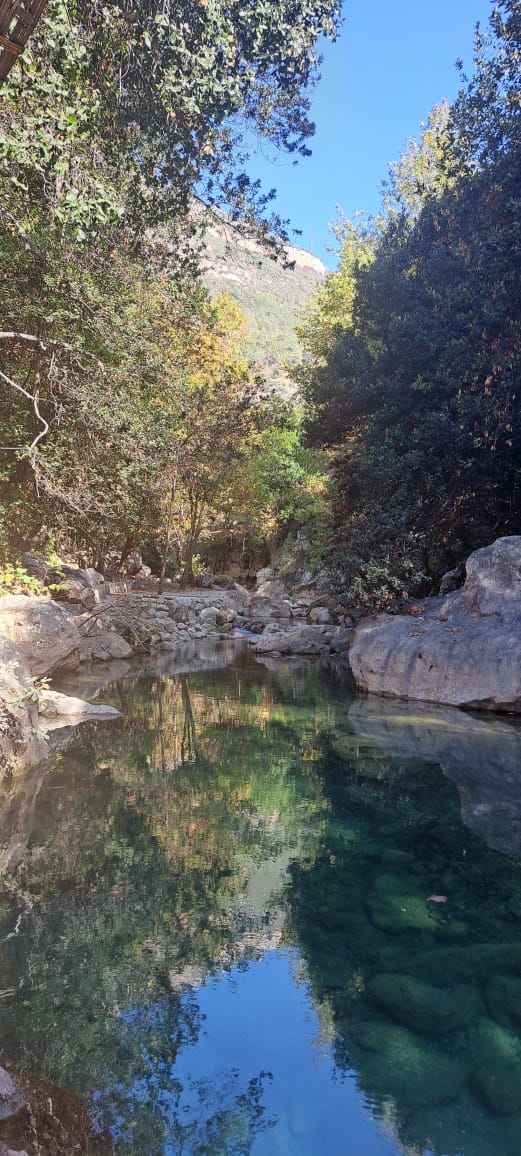
Yesterday, we went to the river.
Not as tourists. Out of necessity.
We needed to breathe. To take friends — a German couple living in a motorhome, dreaming of road freedom — to a place where water still flows, trees still stand, and memories haven’t been erased by war.
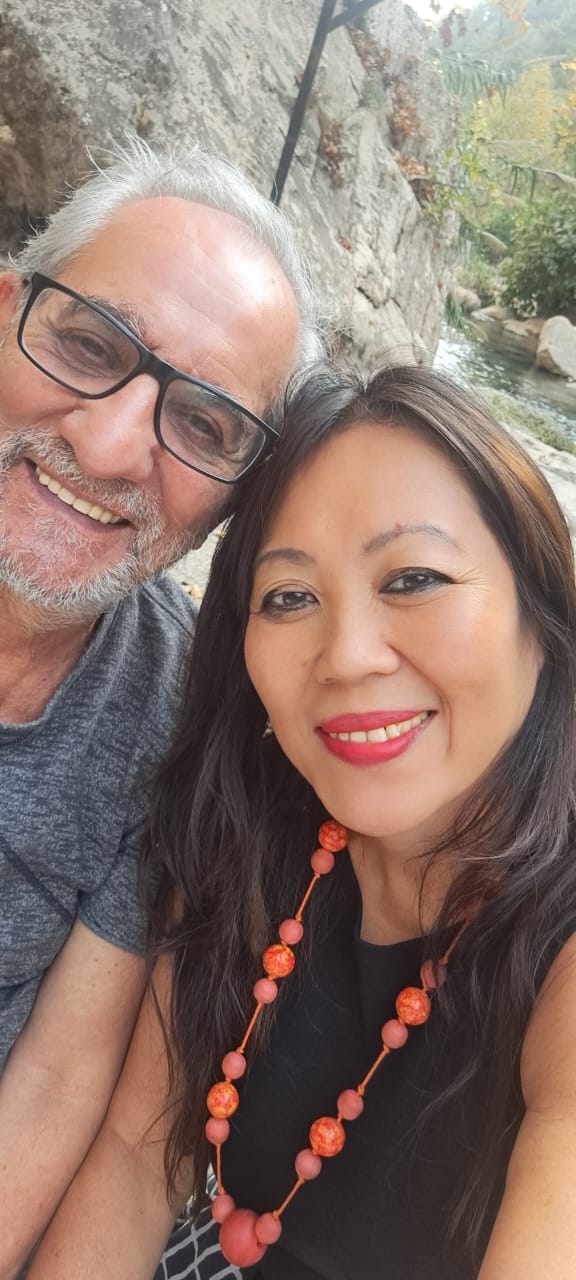
We went with Azmi, my husband, and Muehedine, his cousin — two men who grew up in Beirut, before it became a city that has to explain its own existence.
Rivers Are Rare Here: Almost Sacred
Rivers are rare here. Almost sacred.
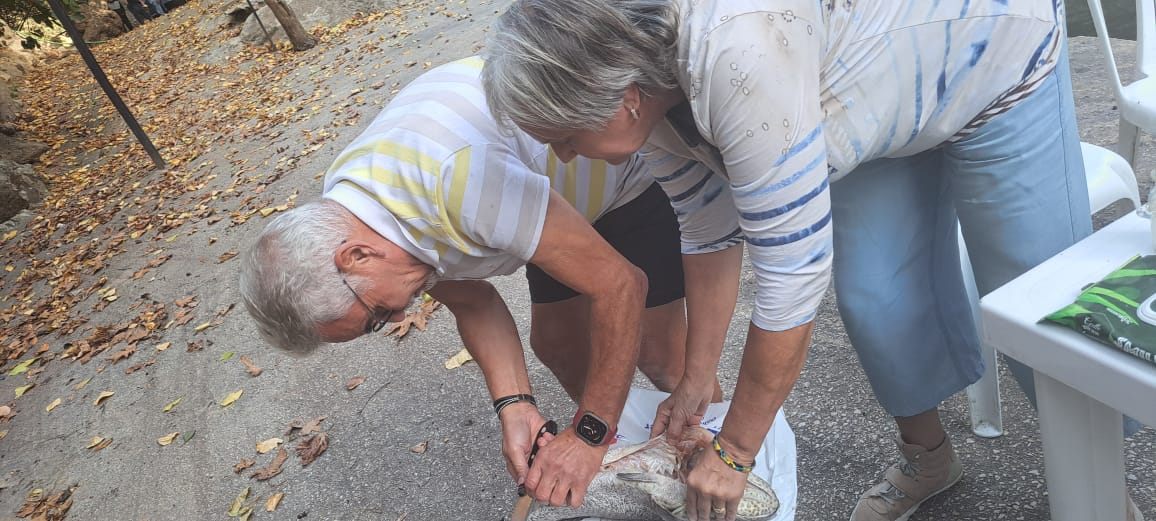
We brought salad, drinks, charcoal. They brought a huge fish — “worthy of a fisherman’s tale,” said Romi, the German woman who now understands: in Lebanon, even the fish have history.
The fire warmed more than our legs. It also warmed our memories.
Muehedine spoke of Imad — Azmi’s older brother, a pilot, killed in a plane crash.
“He flew as if the sky were his home,” Azmi said.
Then Muehedine pulled a book from his bag: Animal Farm, signed by the Kawas brothers.
“Look — this is my signature here!” Azmi, my “Habibão”, exclaimed, eyes shining.
A living object. Proof that, even here, someone read. Someone thought. Someone dreamed. That their father — also a pilot — encouraged his sons to read. That culture doesn’t die just because the bomb falls.
To learn more about how art and culture survive in conflict zones, explore this article on creative resistance.
The Phone Rings on the Way Back
On the drive home, Muehedine was “killing” nostalgia — passing streets from his youth, telling stories of cafés, loves, flights.
Then the phone rang. It was the neighbor from the shop:
“There was a bombing. Five dead. Several injured.”
The silence in the car was so thick it felt physical.
Romi, the German, asked with her eyes — could they leave early?
Fear entered without knocking.
However, it’s not new. But it always surprises — because it comes after moments of peace. After laughter. After sharing fish, wine, books, and fire.
It comes to remind us: Beirut is not a weekend destination. It’s a place of daily resistance.
Living Well in Chaos: The Only Possible Revolution
What is the opposite of hate?
Peace? Maybe.
But today, I’d say: The opposite of hate is the capacity to keep living — even when you know the next step may be on shifting ground.
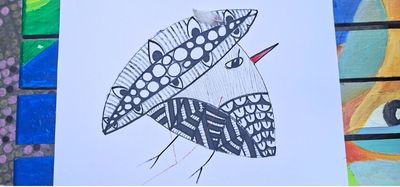
In fact, we paint birds flying over rubble. We read books amid war. And we grill fish when the sky is clear.
Because living well in chaos isn’t about living without fear. It’s about living despite it.
And perhaps — in that simple act of taking friends to a river, sharing a fish, turning the pages of an old book — lies the true revolution:
Not waiting for the world to change. Instead, changing the world within yourself, while it crumbles around you.
The Birds of Beirut series was born from this same impulse — creating beauty from fragments, finding flight amid the rubble.
A Breath, A Record, An Invitation
This text was a breath — a record of a day that needed to be told.
If it spoke to you, share it. Or leave a comment telling me: what does “living well on your shifting ground” mean to you?
Your story matters to me.
About the Author:
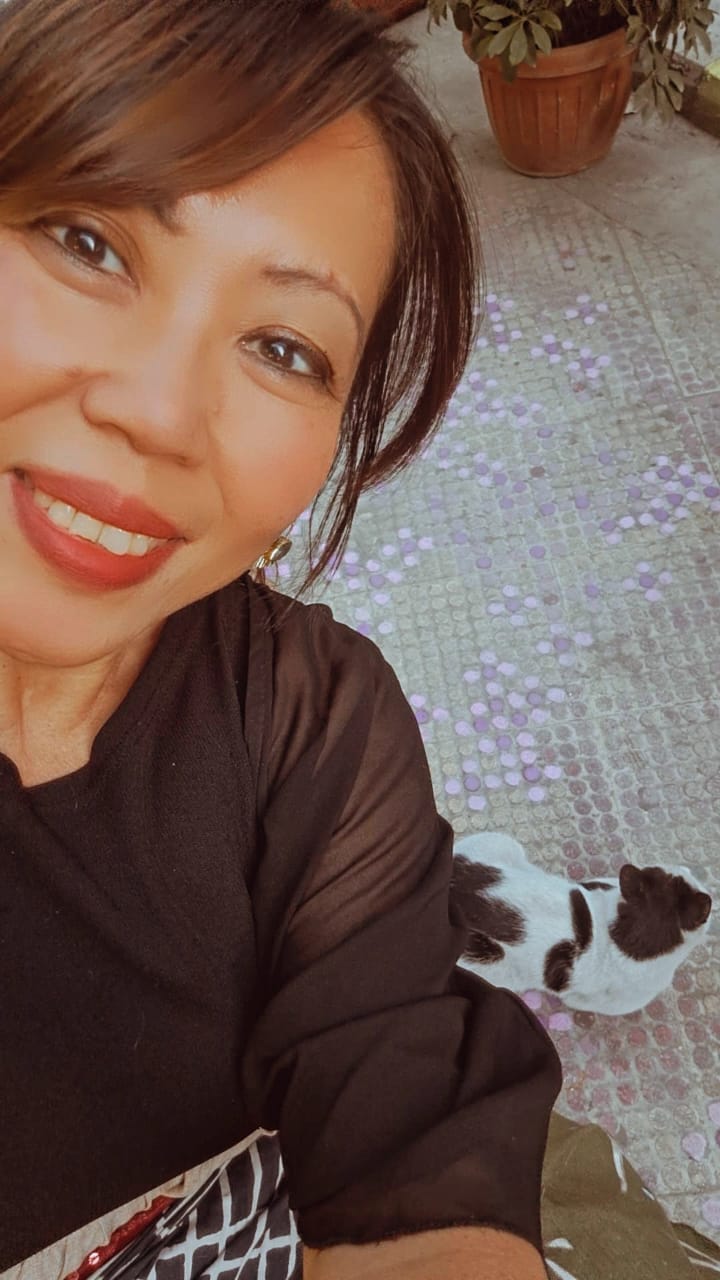
Jeane Satie — Japanese-Brazilian visual artist in Beirut. Creator of the Embassy of Bridges and the Birds of Beirut series.
Read more about my journey from São Paulo to Beirut here.
If you’re interested in how art transforms pain into beauty, explore the Godivas series or read about my cultural identity.