Beirut Birds: Invisible Borders and the Privilege of Flight
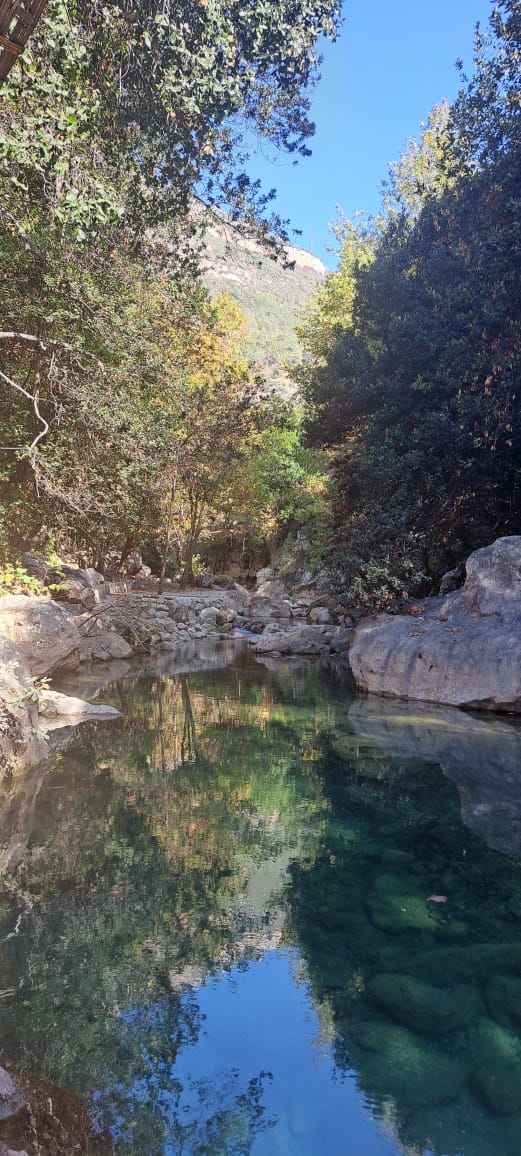
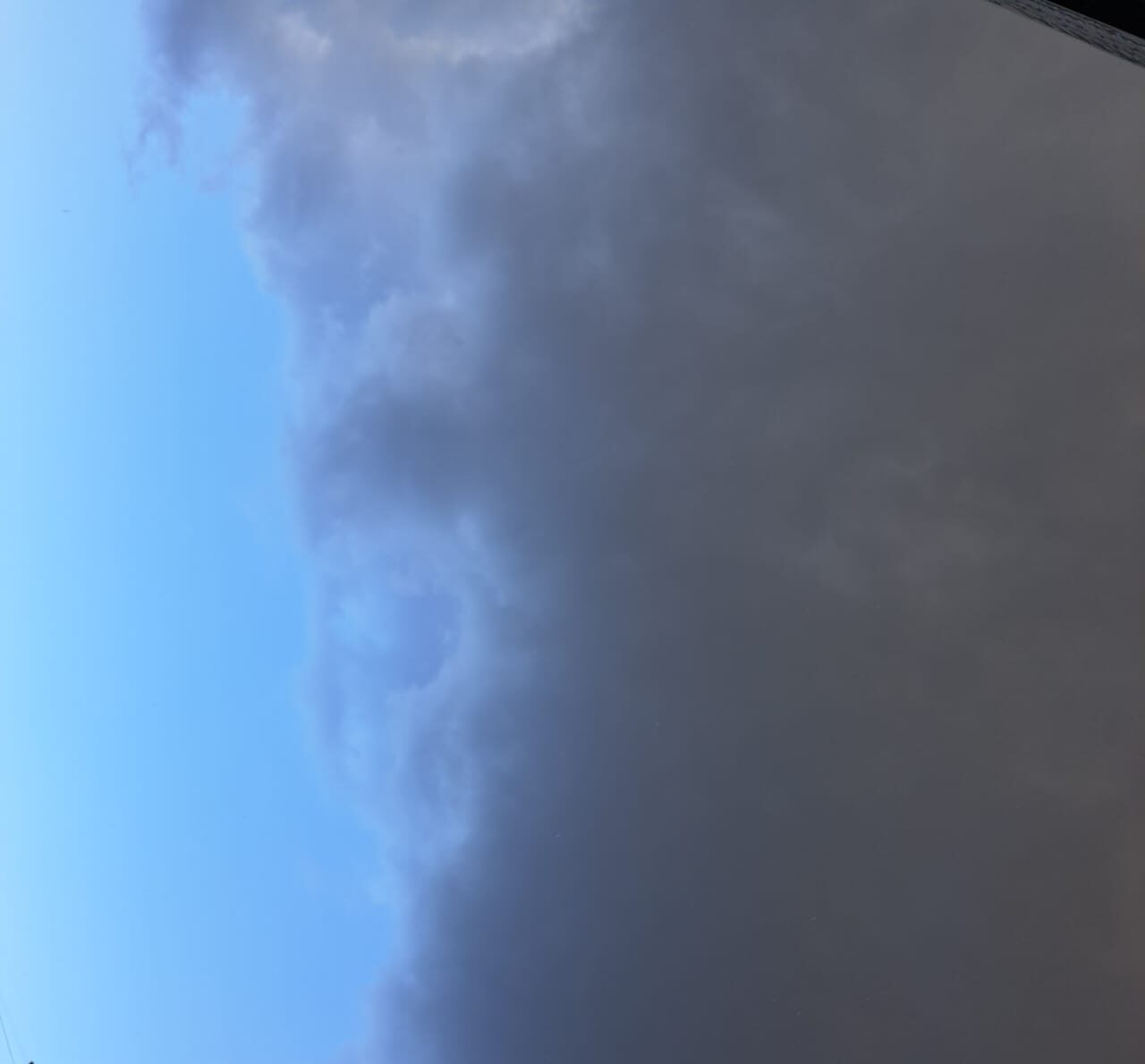
Today, in Adma — a town north of the Middle of the World — the universe gave me a lesson in human geography. Before me, an invisible line separated rain from sun. On one side, the water that gives life. On the other, the light that warms. And I, in the middle, with my Beirut Birds in mind, finally understood what it means to be born on the “wrong” side of the border.
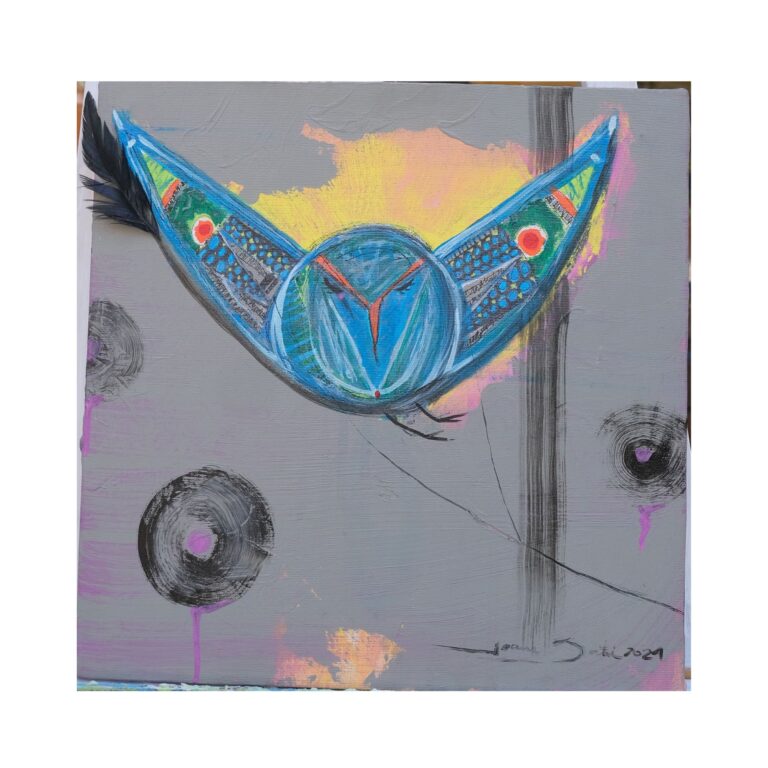
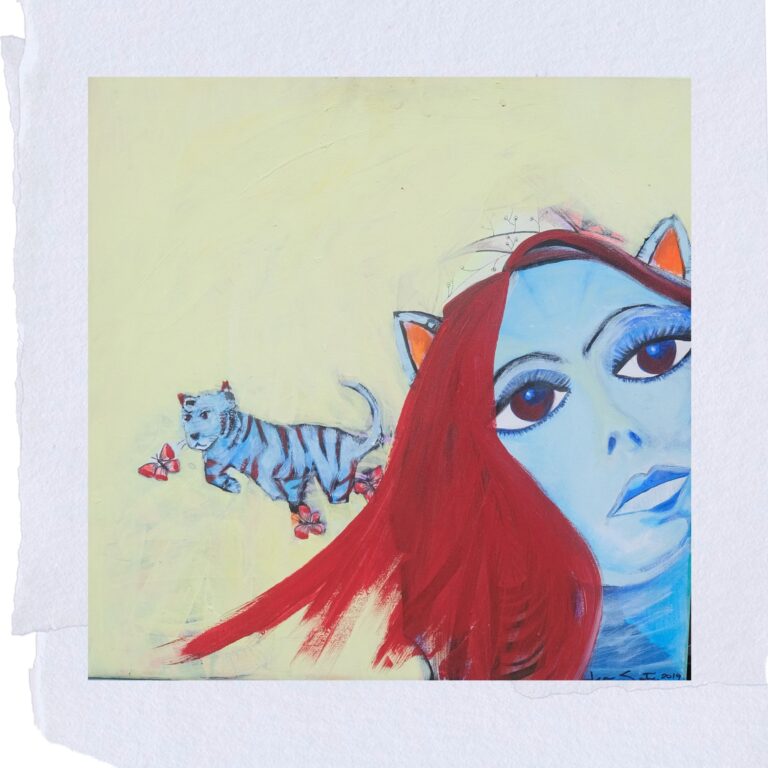
The Beirut Birds I paint are not just art — they are witnesses.
Witnesses that some are born under bombings, while others under applause. That some inherit rubble, others inherit empires. And all of it — all of it — determined by mere kilometers of latitude and longitude.
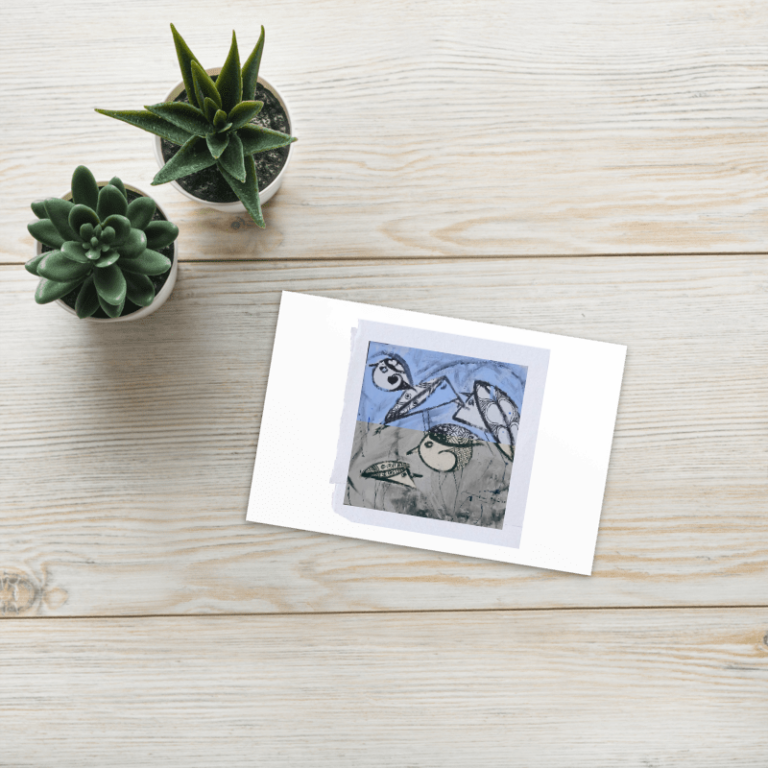
This artistic series explores the invisible borders that define our lives, using the metaphor of birds flying over a city that never stops being reborn.
Two Steps That Separate Worlds
Before me, rain fell heavily on one side of the street. On the other, the sun shone relentlessly.
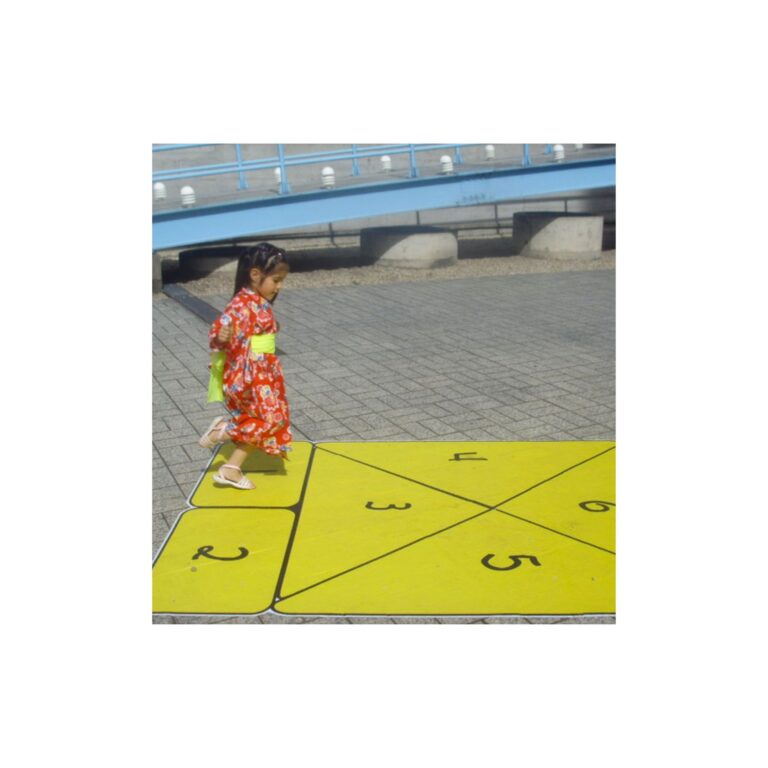
Two steps.
Just two steps separated soaked from dry, what drenches from what warms, what nourishes from what merely illuminates.
And I wondered: How many lives are defined by these two steps? How many destinies drawn not by merit, but by geographic accident? How many Beirut Birds will never fly — because they were born inside invisible cages?
To understand more about how art responds to humanitarian crises, explore this article on creative resistance.
Borders That Exist Only for One Side
I learned, watching Beirut’s sky, that borders exist only for one side.
While our dreams require visas, their drones cross freely. While our passports are questioned, their weapons know no barriers.
Borders, after all, are not lines on a map — they are hierarchies of power disguised as geography.
My art has always spoken of borders — between countries, cultures, pain and beauty. But today I understood: The cruelest border is the one we cannot see — yet carry in our skin, our accent, our passport, our chances.
The Flight of the Beirut Birds
The Beirut Birds fly not because they are stronger or weaker — they fly because they’ve learned that the sky is the same for all, even when the ground is not.
They fly because they know that somewhere, people like you and me are trying to understand these two steps that separate luck from fate.
I once believed borders were just imaginary lines… Until I realized some lines decide who eats and who starves, who lives and who dies.
I remembered Arnaldo Antunes, in Marisa Monte’s voice: “…This world is not mine, this world is not yours… I am just passing through.”
Beirut, the Soul-City
As I selected music for this reflection, I couldn’t avoid including “Le Beirut” — whether in the version that honors the city, or in the irreplaceable voice of Fairouz.
Because Beirut is not just a place — it’s a state of soul.
It’s the city that teaches: beauty can bloom even among ruins, life persists even when all seems lost.
The Birds of Beirut series was born from this same impulse — creating beauty from fragments, finding flight amid the rubble.
The Privilege of Crossing
As I closed my camera, the rain stopped. The sun reached where I stood.
And for the first time, I understood my privilege: I can cross these borders.
My question is: What will we do with this privilege?
Mosaic Medi: A Beirut Bird Born from Fragments
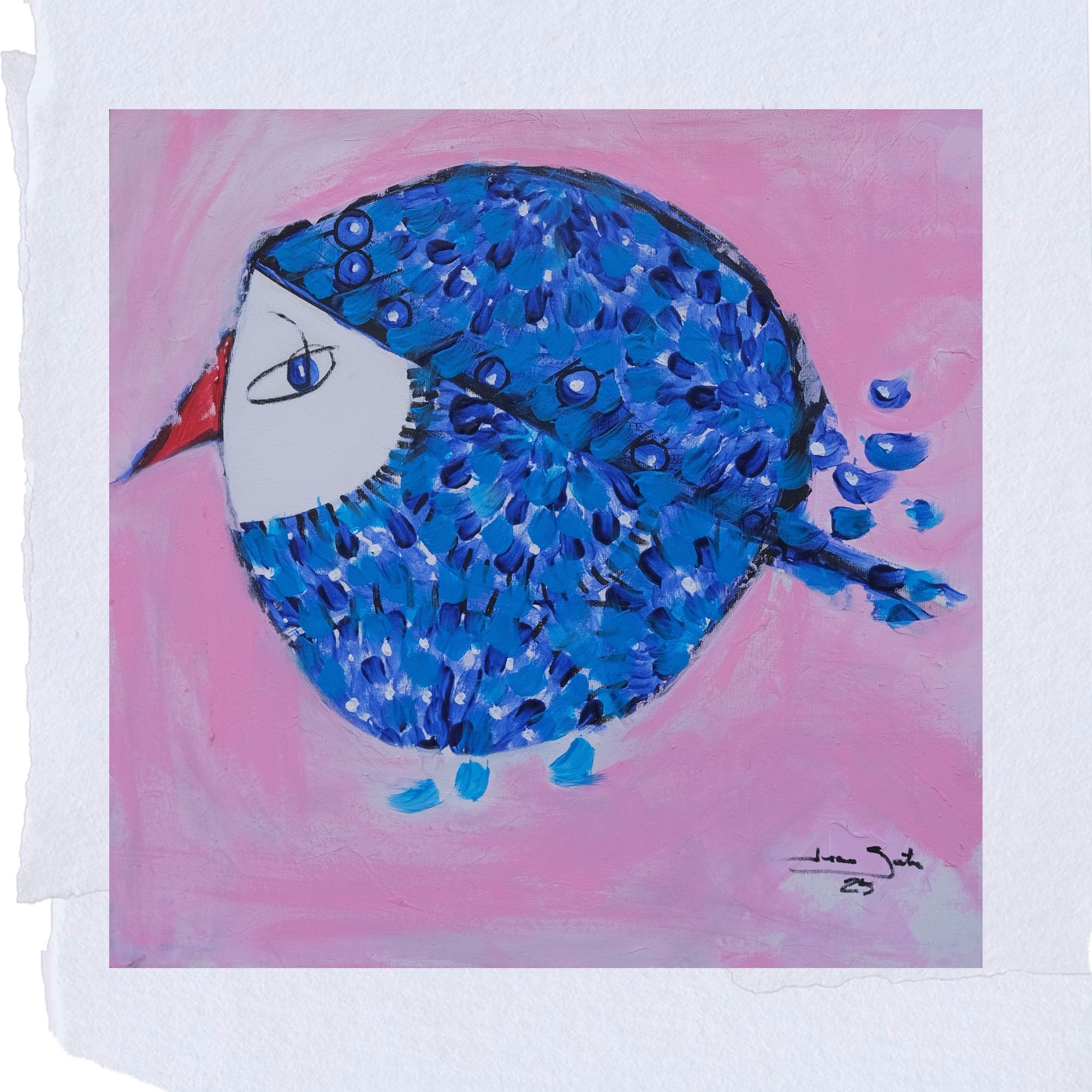
Mosaic Medi — not just any bird. A being born when the ground shook, and the sky cracked. Made of fragments that insisted on reorganizing: not into rubble, but into feathers. Not into lament, but into flight.
- 🔵 Blue from the sea that witnessed
- ⚪ Turquoise from the hope that won’t be silenced
- 🟡 Gold from the light that resists the darkness
Art as an act of refusal against erasure. As a gesture of love to the wounded city.
✨ Available in prints and on-demand products
🌍 From Lebanon to wherever the soul recognizes this song
About the Author:
Jeane Satie — Japanese-Brazilian visual artist in Beirut. Creator of the Embassy of Bridges and the Birds of Beirut series.
Read more about my journey from São Paulo to Beirut here.
If you’re interested in how art transforms pain into beauty, explore the Godivas series or read about living well in chaos.